
Unlocking Creativity Through Arts Integration in ABC PreK Programs

Early childhood education sets the foundation for lifelong learning, yet many programs focus heavily on traditional academic skills. ABC PreK, developed by The Montgomery Institute alongside Meridian Public Schools and community arts groups, offers a fresh approach. This program weaves music, movement, drama, and visual arts into everyday learning, helping young children grow in confidence, curiosity, and communication. Arts integration in ABC PreK supports cognitive and social development in meaningful ways.

How Arts Integration Builds a Strong Learning Foundation
ABC PreK’s approach centers on the idea that art supports every part of a child’s development. The program’s guiding principles, called the ABCs of learning, highlight how art:
Builds Confidence
Bolsters Curiosity
Brings Connection
Balances Comprehension
Beckons Creativity
Bridges Communication
Braces Cognition
Broadens Capacity
Brightens Classrooms
Binds Community
Each of these elements plays a role in helping children engage deeply with learning. For example, music and movement activities encourage children to express themselves and develop motor skills, while drama exercises build empathy and social understanding.
Arts integration in ABC PreK means that children learn facts, but more so they experience concepts through multiple senses and creative outlets. This multisensory learning helps solidify understanding and makes lessons memorable.
Practical Examples of Arts Integration in ABC PreK
Teachers in ABC PreK classrooms use arts integration in many hands-on ways. Here are some examples:
Music and Movement for Language Skills: Singing songs with repetitive phrases helps children learn new vocabulary and sentence structures. Movement activities tied to songs improve coordination and listening skills.
Drama to Explore Emotions: Role-playing simple stories allows children to practice expressing feelings and understanding others’ perspectives. This supports social-emotional learning and communication.
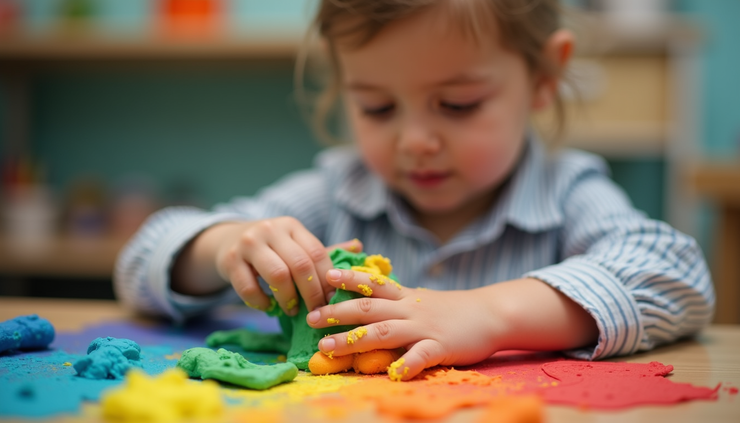
Visual Arts to Reinforce Concepts: Drawing shapes, colors, or story scenes helps children connect visual information with language and math concepts. Creating art projects also strengthens fine motor skills.
Collaborative Art Projects: Group murals or performances encourage teamwork and build a sense of community among students.
These activities show how arts integration is not an add-on but a core part of how ABC PreK teaches foundational skills.
Benefits Beyond Creativity
While arts integration naturally sparks creativity, ABC PreK’s program also supports other critical areas:
Cognitive Development: Engaging with arts requires problem-solving, memory, and attention. For example, learning a dance routine involves sequencing steps and recalling patterns.
Communication Skills: Drama and music activities encourage children to use language expressively and listen carefully to others.
Emotional Growth: Art provides a safe space for children to explore feelings and build self-confidence.
Social Connection: Group arts activities foster cooperation and respect, helping children feel part of a community.
Teachers report that children in arts-integrated PreK programs show greater enthusiasm for learning and improved social skills compared to traditional programs.
Creating Bright and Inclusive Classrooms
ABC PreK classrooms are designed to be welcoming spaces where art is visible and accessible. Walls display children’s artwork, and materials for creative expression are always within reach. This environment encourages exploration and makes learning joyful.
Arts integration also helps teachers meet diverse learning needs. Children who struggle with traditional instruction often thrive when lessons include music, movement, or visual arts. This inclusive approach supports all learners and helps close achievement gaps early.

Supporting Families and Communities Through Art
ABC PreK extends arts integration beyond the classroom by involving families and local arts organizations. Events like family art nights and community performances invite parents to participate in their child’s learning journey. This strengthens connections between home, school, and community.
By binding community through shared creative experiences, ABC PreK helps children develop a sense of belonging and pride. These connections support positive development and encourage lifelong engagement with the arts.
ABC PreK’s arts integration approach offers a clear path to unlocking creativity while supporting essential skills in young learners. By blending music, movement, drama, and visual arts with foundational education, the program builds confident, curious, and connected children ready to succeed. Schools and educators looking to enrich early childhood learning can look to ABC PreK as a practical model that brings the power of art into every lesson.


Comments