
Promoting Wellness Through community Health improvement network (chin)

When we think about health, it’s easy to focus on individual choices like diet and exercise. But health is much bigger than that. It’s about the environment we live in, the support we receive, and the resources available to us. That’s why TMI's Community Health Improvement Network (CHIN) plays such a vital role in fostering wellness, bringing people together to address community needs and create lasting change. Today, we share how these efforts can promote wellness and why they matter so much in East Mississippi and West Alabama.
The Power of communication
TMI/CHIN is designed to meet the specific needs of a community through communication. Its lunch & learn programs target preventing disease, improving mental health, and encouraging healthy lifestyles. What makes these programs powerful is their ability to connect with people where they live, work, and play.
For example, one of our lunch & learn programs offered free health screenings. Free activities like this not only improve physical health but also build social connections. When people feel supported and connected, they are more likely to make positive health choices.
Another key aspect is education. TMI/CHIN programs provide information on nutrition, disease, stress management, and substance abuse prevention. These sessions empower individuals with knowledge and skills to take control of their health. Plus, they often include culturally relevant information that resonates with the local population.
By focusing on prevention and early intervention, TMI/CHIN programs can reduce the burden on healthcare systems. They help catch problems before they become serious and encourage healthier habits that last a lifetime.
How chin Addresses Community Needs

Every community has unique challenges and strengths. TMI/CHIN takes this into account by tailoring its efforts to fit the area’s specific needs. In East Mississippi and West Alabama, for instance, programs might focus on issues like youth substance abuse, chronic disease management, or access to mental health services.
One effective approach is partnering with local organizations, schools, and faith groups. These partnerships help spread the word and increase participation. They also ensure that programs are culturally sensitive and accessible to everyone.
For example, our TMI/CHIN/DFC program, made possible by a CDC grant, collaborates with schools to provide critical information and programming on substance abuse. Our tobacco program also focuses on youth in East Mississippi, educating them about the dangers and health consequences due to tobacco and vaping use.
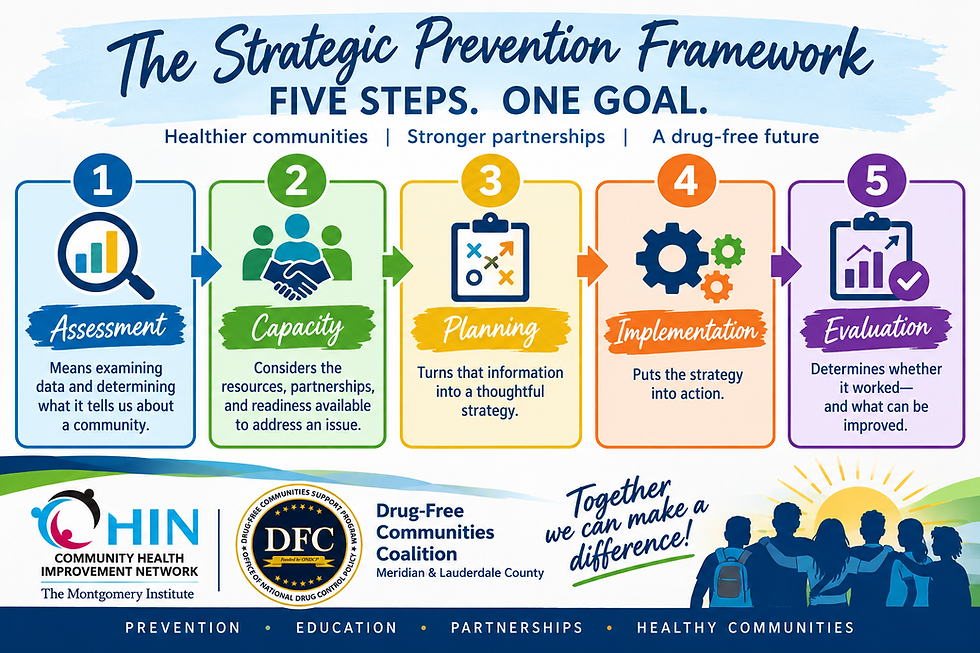
CHIN uses current data to guide their work. By analyzing health trends and community feedback, it can identify priority areas and measure progress. This data-driven approach helps ensure resources are used effectively and goals are met.
What would be a public health initiative?
Public health initiatives are organized efforts to improve the health of populations. They often involve government agencies, nonprofits, and community groups working together.
A public health initiative typically aims to:
Prevent disease and injury
Promote healthy behaviors
Protect against environmental hazards
Respond to health emergencies
TMI/CHIN programs AND health initiatives provide the framework and resources needed to implement community-based action. By aligning with broader public health goals, local programs can amplify their impact.
Practical Steps to Get Involved and Support Wellness

Here are some practical ways to get involved with CHIN:
Attend Lunch & Learns
TMI/CHIN's lunch & learns are great opportunities to learn and connect with others.
Volunteer Your Time
Many programs rely on volunteers to help with outreach, education, and event organization. Your skills and enthusiasm can make a big difference.
Advocate for Resources
Speak up about the importance of funding and support for local health initiatives. Contact local leaders or join advocacy groups to raise awareness.
Share Information
Use your social networks to spread the word about programs and healthy habits. Sometimes a simple conversation can inspire someone to take action.
Practice Healthy Habits
Lead by example. When you prioritize your own wellness, you encourage others to do the same.
By taking these steps, you help build a healthier, stronger community. Remember, wellness is a shared journey, and every effort counts.
The Role of Leadership in Driving Community Health
Strong leadership is essential for the success of local health improvement programs. Leaders help set the vision, mobilize resources, and inspire participation. They also ensure that programs remain focused on the community’s needs and values.
Organizations like The Montgomery Institute (TMI) play a crucial role in this process. By developing leadership skills and promoting strategic thinking, TMI helps create a foundation for sustainable health initiatives. Its work in addressing healthcare, youth substance abuse and cultural arts also enriches the community’s overall well-being.
Effective leaders listen to the community, foster collaboration, and adapt to changing circumstances. They understand that health is not just about medicine but about creating environments where people can thrive.
Moving Forward Together
Promoting wellness is a journey we all share. It requires commitment, creativity, and compassion. But the rewards are profound - healthier individuals, stronger families, and vibrant communities.
If you want to learn more about how you can support or participate in TMI initiatives, we encourage you to volunteer and subscribe to our newsletter. Together, we can build a future where everyone has the opportunity to live well.
Let’s take that first step today. What small action can you take to promote wellness in your neighborhood? The answer might surprise you.


Comments